

Quick Answer: CC has several completely different, legitimate meanings depending on where you see it. It stands for “Carbon Copy” in emails, “Closed Captions” on videos, “Content Creator” on social media, or casual chat slang depending on context. There’s no single correct CC meaning. It always depends on the platform you’re using.
You’ve probably seen “CC” pop up in a work email, a TikTok caption, or a random group chat, and wondered what it actually means this time. The truth is, CC meaning changes shape depending on where it shows up, and that’s exactly what makes it confusing for so many people.
This guide breaks down every common CC meaning you’ll run into in 2026, from formal email etiquette to casual texting shorthand, so you never have to guess again.
Same Two Letters, Five Different Jobs: What Does CC Actually Mean?
Most abbreviations settle into one dominant definition. CC never did. Instead of picking a single winner, it quietly does five different jobs across the internet.
Here’s the short version of the CC meaning across common platforms:
- Email: Carbon Copy, adding extra recipients to a message
- Video platforms: Closed Captions, on-screen text for dialogue
- Social media bios: Content Creator, a job title people use online
- Gaming: Crowd Control, abilities that limit an opponent
- Casual chat: shorthand for “include me,” “cute couple,” or simply “noted”
Understanding CC meaning isn’t about memorizing one definition. It’s about recognizing which job those two letters are doing in the sentence you’re reading.
CC in Email: Carbon Copy
The oldest and most widely recognized CC meaning is Carbon Copy. It comes from old-fashioned carbon paper, which office workers once placed between sheets of paper to create a duplicate copy while typing a letter.
When email replaced paper memos, the term stuck. Today, adding someone to the CC field means:
- They receive the same message as the main recipient.
- Everyone else on the thread can see their name and email address.
- They aren’t expected to reply, but they’re kept informed.
Example: “I’ve sent the invoice to the client and CC’d our accounts team so they have a copy for their records.”
This is the version of CC meaning most workplaces still rely on daily, and it’s the reason the abbreviation carries a slightly formal, professional tone even when it shows up in casual conversation.
CC on Video Platforms: Closed Captions
Ask any regular TikTok or YouTube viewer about CC meaning and you’ll usually get one answer: Closed Captions. This use has nothing to do with email at all.
Closed Captions display spoken dialogue as on-screen text, and often include extra details like background sounds, music cues, or speaker labels. This is different from basic subtitles, which usually only translate speech.
People turn on CC for reasons like:
- Watching videos in noisy or silent environments
- Understanding unfamiliar accents or fast talkers
- Following along with accessibility needs
- Scrolling social media without sound
Example caption: “New episode is up! Don’t forget to turn on CC if you’re watching without sound.”
This platform-based CC meaning has become so common that many younger users associate it with captions first and email second.
CC as “Content Creator”
A newer, fast-growing CC meaning is “Content Creator.” This version shows up in social media bios, brand collaboration posts, and influencer marketing conversations.
Brands and creators use it as shorthand, similar to how “CEO” or “founder” appears in a bio. You might see something like:
“Full-time CC 📸 | Lifestyle + travel content”
In this context, CC meaning has nothing to do with copying emails or adding captions. It’s simply an identity label people use to describe their online job.
CC vs BCC: What’s the Real Difference?
Since CC meaning is closely tied to email, it’s worth clearing up the confusion between CC and BCC once and for all.
| Feature | CC (Carbon Copy) | BCC (Blind Carbon Copy) |
|---|---|---|
| Visibility | All recipients can see who’s CC’d | Recipients stay hidden from everyone else |
| Best used for | Keeping a colleague informed openly | Sending mass emails without exposing addresses |
| Reply behavior | Can reply to everyone | Can’t be seen or replied to by others |
| Common setting | Work emails, transparent updates | Newsletters, privacy-sensitive messages |
Simply put, CC keeps things visible and transparent, while BCC keeps recipients hidden from the rest of the group.
CC in Casual Chat and Slang
Outside of email and video apps, CC meaning gets a lot looser. In everyday texting and group chats, people use it as a quick way to say “include me” or “keep me posted.”
Example: “Alex is planning the trip details. CC me when the group chat starts.”
Here, nobody is talking about actual email software. They’re just borrowing the concept of being copied into a conversation and applying it to real life.
Is CC Really “Slang,” or Just Context-Based Shorthand?
Not exactly slang in the traditional sense. CC sits in a grey zone. It’s more professional-sounding than typical text slang like “lol” or “tbh,” but casual enough to use in a friend group without sounding overly formal. The CC meaning simply flexes depending on tone and audience.
Who’s Texting You “CC”? What It Really Means
When CC shows up in a direct text from a specific person, the meaning usually depends on the relationship and situation, not just the platform.
From a Girl
If a girl texts “CC” in casual conversation, it typically means the same thing it would from anyone else: include me, keep me updated, or occasionally, it’s shorthand for “cute couple” when reacting to a photo. Tone and prior context matter more than gender here.
In a Relationship
Between partners, CC meaning is rarely about email at all. It’s more often used playfully, like reacting to a “cute couple” photo, or practically, like asking to be looped into shared plans such as bills, family messages, or group events.
CC Meaning on Social Media Platforms
Since CC meaning shifts by app, here’s how it typically breaks down across major platforms.
On Instagram, CC most often means Closed Captions on Reels and videos, though it can also mean Content Creator in a bio, or occasionally “Cute Couple” in relationship post comments.
Snapchat
On Snapchat, CC usually refers to Closed Captions on video snaps, though in direct conversations it can still mean Carbon Copy when someone’s forwarding a screenshot or message.
WhatsApp tends to keep the traditional CC meaning alive. Since it’s used heavily for work and family coordination, CC here almost always means Carbon Copy, as in “CC me on that update.”
CC in French and Other Languages
The CC meaning stays remarkably consistent across languages, largely because email terminology spread globally alongside the software itself. In French, “CC” is used the same way, standing for “Copie Carbone,” the direct translation of Carbon Copy. In Spanish, it’s “Con Copia.”
In German, “CC” is simply borrowed as-is in professional emails. The abbreviation didn’t need reinventing, since the concept of copying someone into a message translates cleanly across cultures.
📊 CC Meanings by Platform: Quick Comparison Table
| Platform/Context | Most Common CC Meaning |
|---|---|
| Email (Gmail, Outlook) | Carbon Copy |
| YouTube, TikTok | Closed Captions |
| Instagram bio | Content Creator |
| Instagram comments | Cute Couple |
| Carbon Copy | |
| Gaming chats | Crowd Control |
| Casual texting | Include me / noted |
Real Chat Examples
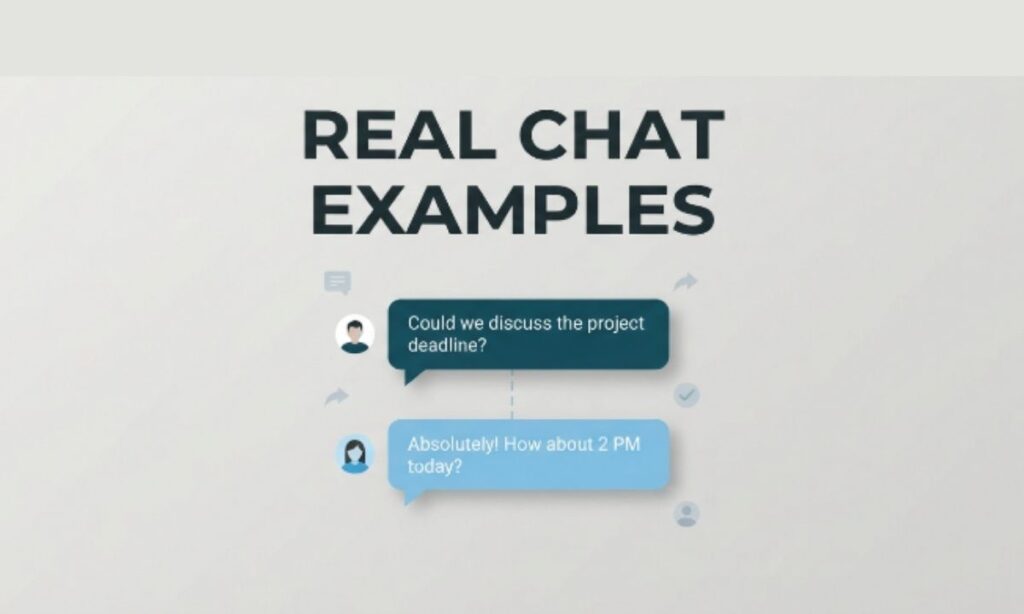
Group Chat
“Sarah, CC me when you send the final schedule so I have it too.”
Instagram Post
“Tag a friend and CC them in the comments if they need to see this.”
Video Platform Caption
“Turn on CC for this one, I mumble a lot in the intro 😅”
How CC Causes Real Misunderstandings
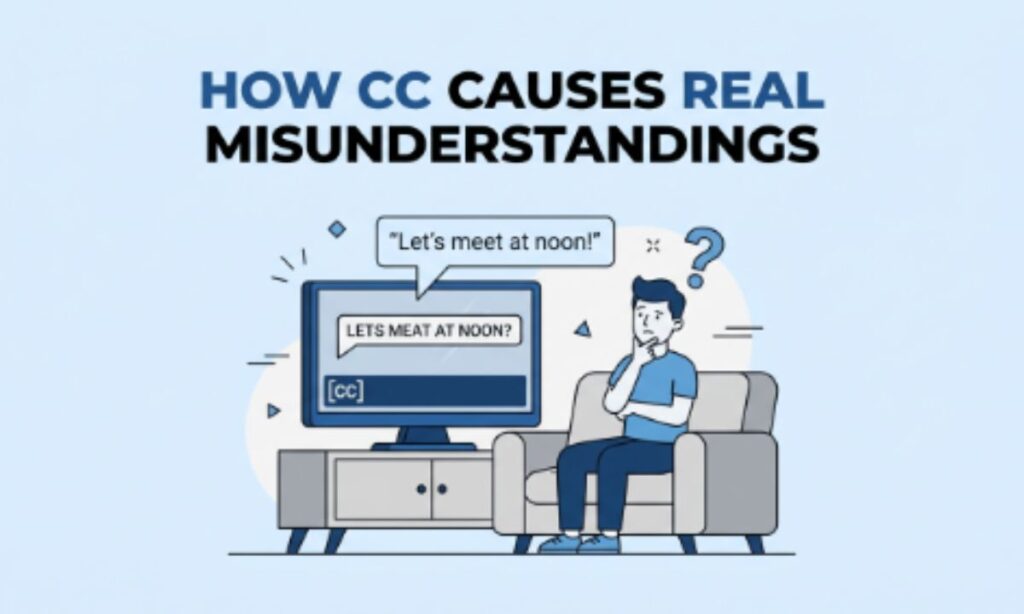
Because CC meaning shifts so easily, mix-ups happen more often than people expect. Someone commenting “CC” under a cooking video might genuinely be asking for captions, while a coworker replying “CC” in a work chat is almost certainly talking about being copied on an email.
The confusion usually comes from assuming one CC meaning applies everywhere. A teenager scrolling TikTok and a manager forwarding a report are using the exact same two letters for completely unrelated reasons.
Common Mistakes With CC Usage
- Assuming CC always means email, even on video platforms
- Forgetting that CC recipients are visible to everyone on the thread
- Using CC when BCC would protect someone’s privacy
- Mixing up “Cute Couple” slang with formal Carbon Copy in serious conversations
- Overusing CC in work emails, which can come across as passive-aggressive
Why CC Is Still Used So Widely in 2026
Despite constantly evolving slang, CC meaning has stayed relevant for decades because it solves a simple problem: keeping people informed without making them the main focus. Whether it’s an email thread, a captioned video, or a quick text, the core idea barely changes. Someone is being included, credited, or updated.
That flexibility is exactly why CC continues showing up everywhere from corporate inboxes to casual DMs, and why understanding CC meaning in context remains such a genuinely useful skill in 2026.
Frequently Asked Questions
What does CC mean in chat?
In most chats, CC means “include me” or “keep me informed,” borrowed directly from the email term Carbon Copy.
What does CC mean on Instagram or Snapchat?
On both platforms, CC usually means Closed Captions on videos, though it can also mean Content Creator or Cute Couple depending on the post.
Is CC slang or formal?
CC sits in between. It’s more professional than typical slang, but casual enough for everyday texting.
What does CC mean in email?
In email, CC means Carbon Copy, letting extra recipients see a message without being the primary recipient.
What does CC mean on video platforms?
On video platforms like YouTube and TikTok, CC almost always means Closed Captions for accessibility.
What is the difference between CC and BCC?
CC recipients are visible to everyone on the thread, while BCC recipients stay completely hidden from other recipients.
What does CC mean in a relationship?
Between partners, CC is often playful shorthand for “cute couple” or a request to be looped into shared updates and plans.
Conclusion
At its core, CC meaning isn’t complicated once you know where to look. It’s simply flexible. The same two letters can mean Carbon Copy in an email, Closed Captions on a video, or a quick nudge to “keep me in the loop” during a casual chat.
The next time you spot “CC” somewhere unexpected, don’t panic. Just check the platform, read the tone, and you’ll land on the right meaning almost instantly.
