
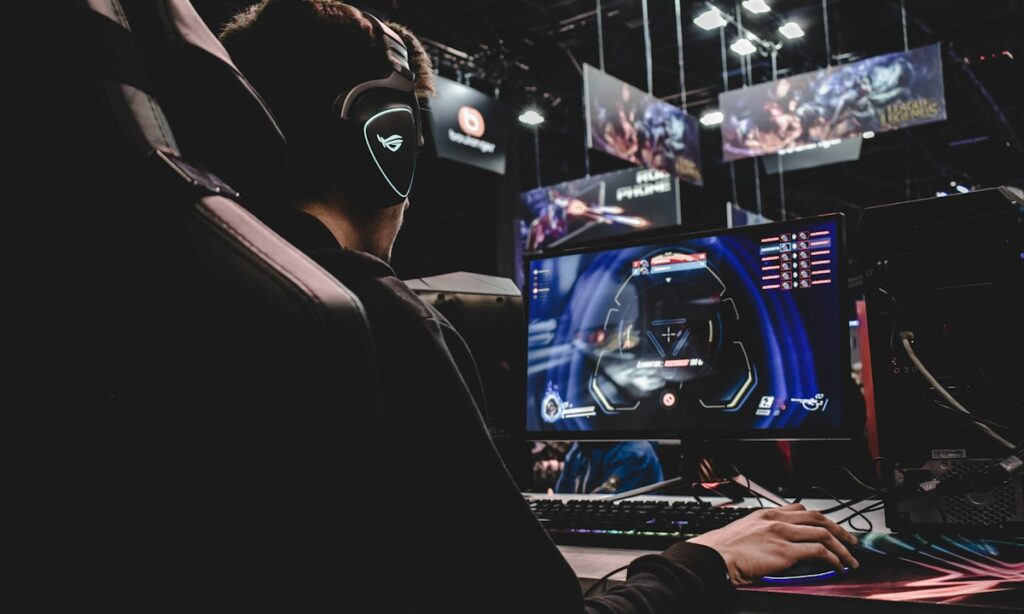
You are midway through a chaotic Discord call, your team is down two players in an intense multiplayer match, and suddenly your squad leader cuts the laughter, lowers their voice, and drops a two-word directive: “We need to lock in.” Within seconds, the background chatter evaporates, posture straightens, and everyone focuses with laser precision so you can let him cook. Outside the gaming world, you might see the same phrase posted by college students during finals week with a stone-faced selfie, or by athletes in the gym preparing for a heavy set. But what is the genuine lock in meaning in slang, how did a traditional sports locker-room idiom become one of the most dominant viral memes across TikTok and social media, and what separates casual focus from a true locked-in state?
⚡ Direct Answer: What Is the Lock In Meaning in Slang?
In modern internet slang and texting culture, the lock in meaning in slang refers to entering a state of intense, hyper-focused concentration while cutting out all distractions. It signifies committing 100% effort to a high-stakes task, game, or workout.
Key Takeaways: Mastering the “Locked In” Mentality
- Core Definition: To eliminate all peripheral distractions (notifications, chatter, procrastination) and direct absolute mental energy toward a singular objective.
- The Viral Meme Format: Popularized by TikTok clips showing an immediate transition from goofy behavior to deadpan, emotionless focus—often captioned: “Born to dilly-dally, forced to lock in.”
- Primary Environments: Competitive gaming lobbies (Valorant, Fortnite, Call of Duty), university exam study sessions, bodybuilding gym culture, and deadline-driven work sprints.
- Antonym Relationship: Functionally serves as the polar opposite of an emotional breakdown; where people who lose control crash out in text, disciplined individuals choose to lock in.
- Reputational Value: Successfully clutching a high-pressure situation while locked in earns immense aura in slang.
Etymology: From NBA Playoff Locker Rooms to TikTok Irony
While millions of Gen Z internet users discovered the phrase through short-form video algorithms between 2023 and 2025, “locked in” has deep roots in American competitive athletics. For decades, basketball coaches and sports commentators described elite athletes like Kobe Bryant, Michael Jordan, and LeBron James as being “locked in” during playoff fourth quarters. In sports psychology, it denoted an athlete who blocked out roaring crowds, hostile referees, and fatigue to execute plays with robotic perfection.
The phrase migrated into esports and Twitch streaming throughout the late 2010s, where competitive gamers used it as a rally cry before high-stakes rounds. However, the cultural inflection point occurred when TikTok satirized the concept. Creators began pairing dramatic motivational audio tracks with mundane daily situations—such as “locking in” to write a three-sentence introductory email, clean their bedroom, or parallel park between two tight SUVs. Lexicographers at Merriam-Webster’s modern language records cataloged this evolution, noting how modern youth culture adopted the phrase both as serious self-discipline and as an ironic, self-aware performance.
The Neuroscience of “Locking In”: What Happens in the Brain?
What actually occurs neurologically when someone claims to lock in? In cognitive psychology, this state closely mirrors what researcher Mihaly Csikszentmihalyi famously termed the “Flow State,” but with an added element of deliberate crisis response. When you make the conscious mental pivot to lock in, several neurochemical and physiological shifts take place simultaneously:
- Dopamine Regulation: Your brain releases a steady baseline of dopamine to sustain curiosity and task engagement while suppressing urges to check social media or toggle browser tabs.
- Prefrontal Cortex Activation: The prefrontal cortex—responsible for executive decision-making and impulse control—asserts dominance over emotional panic centers like the amygdala.
- Deactivation of the Default Mode Network (DMN): The brain network associated with daydreaming, self-criticism, and past regrets quiets down, pulling your entire perception into the immediate present moment.
- Norepinephrine Surge: Mild adrenaline tightens your visual field (producing literal optical tunnel vision) and elevates reaction times, allowing gamers and athletes to respond to split-second cues.
“Lock In” vs. “Flow State” vs. “Crash Out” vs. “Tunnel Vision”: Comparison Matrix
To understand where “locking in” sits among related psychological and slang terms, review this comparative breakdown:
| Concept / State | Primary Trigger | Emotional Tone | Typical Duration | Failure Risk |
|---|---|---|---|---|
| Locking In (Slang) | External deadline, clutch gaming round, or athletic necessity. | Stoic, aggressive, determined, and fully deliberate. | 30 minutes to 4 hours of sprint focus. | Burnout or mental exhaustion if over-extended. |
| Flow State (Psychology) | Intrinsically motivating challenge perfectly matched with skill. | Effortless, peaceful, energized absorption. | 1 to 3 hours of continuous creative work. | Disrupted instantly by incoming notifications. |
| Crashing Out | Sudden emotional overwhelm, provocation, or frustration. | Explosive rage, recklessness, and complete loss of control. | 1 to 15 minutes of volatile action. | Severe social, academic, or legal penalties. |
| Tunnel Vision | Extreme anxiety, hyper-arousal, or cognitive overload. | Rigid, narrow, stress-driven, and inflexible. | Variable (often involuntary). | Missing critical contextual cues or blind spots. |
| Delulu Confidence | Romantic optimism or audacious personal belief. | Whimsical, hopeful, and self-ironizing. | Weeks to months of wishful thinking. | Ignoring realistic dating boundaries. |
Connor Clark’s Field Notes: The Verbal Ritual of the Micro-Commitment
📝 Expert Linguistic Analysis by Connor Clark • Senior Digital Lexicographer
“In behavioral sociolinguistics, expressions like ‘lock in’ serve as verbal trigger switches. Digital natives inhabit an unprecedented attention economy characterized by constant algorithmic distraction and notification pings. Announcing ‘I need to lock in’ to a group chat or streaming audience operates as an externalized social contract. By publicly stating the intent, the speaker erects a psychological boundary: they inform peers that social obligations are temporarily suspended while generating accountability for their own output. It transforms what would otherwise be a boring chore of discipline into an epic, cinematic quest for competence.”
The 4 Primary Arenas Where “Locking In” Is Essential
Depending on the social subculture, the phrase manifests through four distinct behavioral rituals:
1. Competitive Gaming & Esports (The Clutch Factor)
When a match reaches a sudden-death overtime in games like Counter-Strike 2, Apex Legends, or League of Legends, casual banter ceases. Gamers lean forward in their chairs, adjust their headsets, mute unnecessary Discord channels, and call out: “Lock in, boys.” Players who clutch difficult rounds while locked in gain legendary status among teammates, whereas players who get distracted trigger mutual exasperation.
2. Academia & Finals Week Cramming
For high school and university students, “locking in” has replaced the phrase “pulling an all-nighter.” It represents a sacred ritual: purchasing an iced matcha or energy drink, donning noise-canceling headphones playing low-fi beats or Hans Zimmer scores, and clearing 400 pages of biochemistry notes before dawn without opening TikTok once.
3. Fitness, Bodybuilding & Athletic Performance
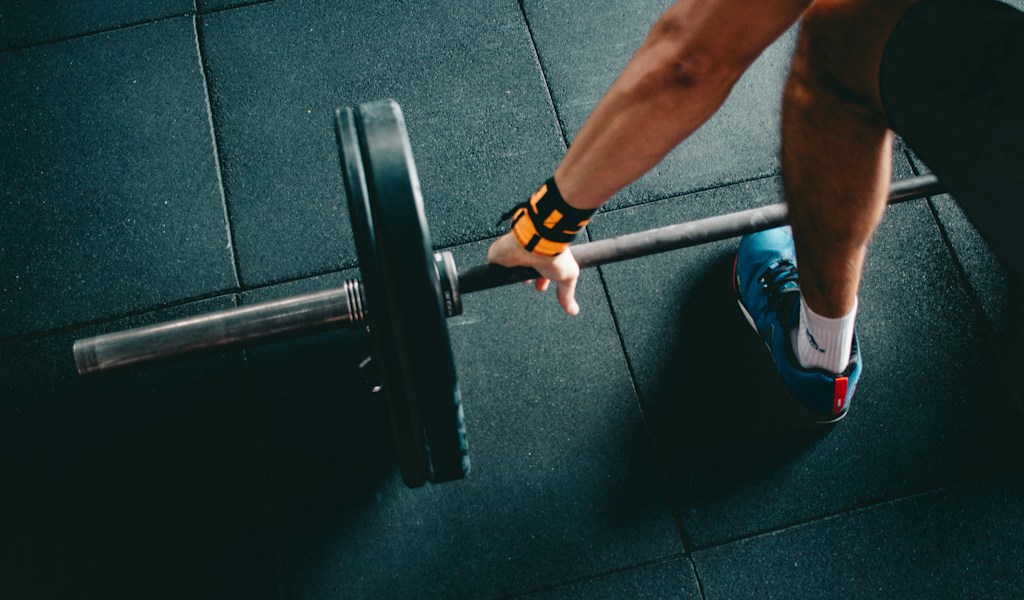
In gym culture, locking in occurs before a personal record (PR) deadlift, squat, or bench press. Lifters stare blankly at the barbell, queue up heavy metal or phonk music, tune out gym chatter, and channel pure kinetic intent. Any outside disruption while an athlete is locking in is considered a major breach of gym etiquette.
4. Professional Sprints & Deep Work
In startup spaces and remote tech environments, engineers and designers frequently announce that they are “locking in” for a four-hour code sprint. They turn on “Do Not Disturb” on Slack, close corporate email, and knock out complex architectural problems without meeting interruptions.
10 Real-Life Texting Scenarios: How to Use “Lock In” in Chat
Here is how modern communicators deploy the term across messaging threads, Discord servers, and Instagram DMs:
- Scenario 1 (Study Group Accountability): “We’ve spent the last 45 minutes looking at memes. Final exam is in 14 hours. Everybody lock in right now.”
- Scenario 2 (Gaming Comeback): “Down 2-10 at half time. If we all lock in and play our angles, this match is completely winnable.”
- Scenario 3 (Setting Boundaries): “Can’t make it to dinner tonight bro, I have a project pitch tomorrow and I’m locked in until midnight.”
- Scenario 4 (Gym Motivation): “Staring at this 405 lb bar like it owe me money. Time to lock in.”
- Scenario 5 (Validating Hard Work): When a friend shares that they just crushed an impossible task, replying with agreeable slang like type shit in text: “Look at you locked in and securing the bag.”
- Scenario 6 (The Morning Routine): “Three cups of cold brew down. Phone on airplane mode. Locked in for the foreseeable future.”
- Scenario 7 (Competitive Warning): Warning an opposing team that they are playing with fire before they experience FAAFO consequences: “They thought we were playing around until our captain locked in.”
- Scenario 8 (Humorous Overkill): “Me locking in to choose which movie to watch for 45 minutes until my food gets freezing cold.”
- Scenario 9 (Supportive Wingman): Preparing for a double date or social gathering on a two man mission: “Remember the plan, maintain your aura, and lock in when we arrive.”
- Scenario 10 (Post-Distraction Regret): “I spent three hours learning about 14th-century plumbing on Wikipedia. I need to seriously lock in before I get fired.”
How to Communicate “Lock In” Professionally (Corporate & SFW Alternatives)
While using “lock in” in an iMessage thread or Discord channel is second nature, typing it to a corporate client or senior vice president might sound overly informal. If you need to establish strict focus boundaries in a corporate workplace, use these polished business alternatives:
- “Going heads-down on high-priority deliverables.” (Standard corporate nomenclature.)
- “Protecting an uninterrupted deep work block.” (Widely respected in agile tech environments.)
- “Prioritizing critical-path milestones for today’s sprint.” (Project-management focused.)
- “Minimizing asynchronous distractions to finalize our submission.” (Polite and analytical.)
- “Channeling our team’s undivided bandwidth toward this deadline.” (Executive-level communication.)
If you encounter other unfamiliar chat idioms or viral acronyms across social media or professional messaging platforms, look up their tone score, social hazard rating, and definitions instantly with our free Text Slang Decoder.
The 3 Stages of the Locked-In Progression
Achieving peak mental focus is rarely instantaneous. In behavioral science and high-performance coaching, entering an intense state of concentration follows three distinct developmental phases:
Phase 1: Cognitive Friction (The Resisting Mind)
The initial 10 to 15 minutes of any demanding task are characterized by acute discomfort. The brain naturally seeks cheap dopamine loops—reaching for a phone, checking notifications, opening new browser tabs, or suddenly remembering an irrelevant household errand. Recognizing that this initial resistance is merely neurochemical friction allows seasoned practitioners to power through without abandoning their commitment.
Phase 2: Attentional Consolidation (The Quiet Zone)
Between minutes 15 and 30, background chatter and peripheral urges begin to recede. Your working memory synchronizes with the task requirements, cognitive load stabilizes, and problem-solving speed accelerates. This is the exact moment friends on Discord notice you have stopped replying to off-topic jokes because your attention has narrowed to the task at hand.
Phase 3: Hyper-Execution (Full Lock-In)
Beyond the 30-minute threshold, the practitioner enters an uncompromising zone of execution. Self-doubt, physical fatigue, and time perception blur. Whether an esports athlete clutching against overwhelming odds or a student solving advanced differential calculus, the mind operates with total clarity and rapid processing power.
Cross-Generational Lexicon: How Other Eras Described “Locking In”
While Generation Z and Generation Alpha codified the phrase into viral memes—frequently teasing older mentors who have officially entered unc status—every modern generation developed its own distinct verbal shorthand for deep, uncompromising concentration:
- Boomers & Gen X (1980s–1990s): “In the Zone” — Originating in classic sports broadcasting to describe athletes performing with supernatural flow and zero hesitation.
- Millennials (2000s–2010s): “Beast Mode” — Popularized by NFL running back Marshawn Lynch to represent physical dominance and unstoppable momentum.
- Early 2010s Internet Culture: “Grind Mode” or “Hustle Mode” — Focused heavily on entrepreneurial productivity and sleepless work habits.
- Gen Z & Modern Chat (2020s): “Locked In” — Shifting the focus from mere aggressive labor toward intentional mental clarity, dopamine regulation, and ironic self-mastery.
Frequently Asked Questions About the Lock In Meaning in Slang
What is the lock in meaning in slang?
In modern slang and digital culture, the lock in meaning in slang refers to entering an uncompromising, highly disciplined mental state of focus. It entails cutting out social distractions, smartphone notifications, and personal hesitation to complete an urgent or demanding objective with maximum capability.
What does “born to dilly-dally, forced to lock in” mean?
“Born to dilly-dally, forced to lock in” is a viral comedic catchphrase popular on TikTok and Twitter. It humorously captures the relatable human struggle of wanting to relax, waste time, and daydream, while life responsibilities (such as exams, bills, and jobs) compel you to activate extreme discipline.
Is “locked in” an insult or a compliment?
Telling someone they are “locked in” is an enthusiastic compliment acknowledging their competence, focus, and work ethic. However, commanding a friend to “lock in” can serve as an urgent warning if they are slacking off during a critical team moment.
What is the difference between “locking in” and “crashing out”?
Locking in and crashing out are opposite psychological states. Locking in represents channeling intense mental focus into controlled, productive execution. Crashing out, by contrast, represents completely losing emotional composure and acting recklessly in destructive anger without regard for future consequences.
Where did the slang term “lock in” come from?
The term originated in professional sports—particularly basketball and football locker rooms—where coaches urged athletes to stay mentally focused throughout crucial playoff matches. It later spread into competitive gaming communities and exploded as a mainstream TikTok meme culture phenomenon.
