

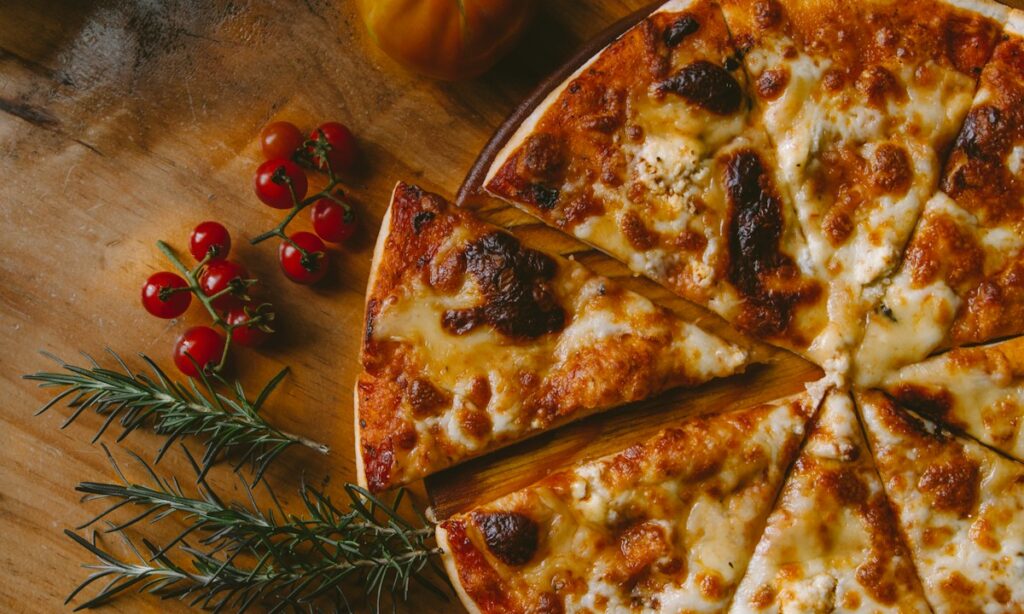
You sit down with a fresh box of hot pizza, a bag of crispy french fries, or a gourmet burger, and before you can take your second bite, a close friend wordlessly reaches across the table, snatches a massive slice, and takes a giant bite with complete unbothered confidence. When you gasp in protest, they simply shrug, smile, and deliver the internet’s most viral dining justification: “Just collecting the Fanum tax!” What began as a recurring comedic bit between live-streamers in an Atlanta mansion has exploded into global youth vernacular, making its way into school cafeterias, restaurant booths, and viral pop culture debates. But what is the genuine fanum tax meaning in slang, who is Fanum, and how did petty food theft become Generation Alpha and Generation Z’s favorite law of friendship?
⚡ Direct Answer: What Does “Fanum Tax” Mean in Modern Slang?
In modern internet slang and meme culture, the fanum tax meaning in slang refers to the humorous act of stealing a bite or portion of someone else’s food. It was popularized by streamer Fanum playfully taking food from Kai Cenat during livestreams.
Key Takeaways: Everything You Need to Know About “Fanum Tax”
- Core Definition: The informal “tax” levied among close friends where one person claims an entitlement to take a portion of another’s snack or meal.
- The Creator: Named after Roberto “Fanum,” a popular Dominican-American Twitch streamer and prominent member of the AMP content collective.
- The Dynamic: Originally involved Fanum entering room streams to playfully take portions of Kai Cenat’s food deliveries on camera.
- Cultural Reach: Evolved into an international youth meme, frequently integrated into viral surreal catchphrases alongside “Skibidi” and “Rizz.”
- Slang Ecosystem: Stealing food without an established bond can be viewed as sheisty behavior, or cause an irritable person to crash out in text.
Etymology & Cultural Origins: The AMP Mansion Food Heists
To understand the origins of the phrase, one must look at the live-streaming phenomenon of the AMP (Any Means Possible) house in late 2022 and 2023. Whenever superstar streamer Kai Cenat ordered food during his marathon 24-hour broadcasts, fellow housemate Roberto “Fanum” would burst into the room. Armed with theatrical seriousness and comedic flair, Fanum would declare the arrival of the “Fanum tax,” demanding a percentage of Kai’s chicken tenders, fries, or pizza before leaving.
The hilarious, exaggerated banter between the two creators generated hundreds of millions of views across TikTok, YouTube Shorts, and Twitch. Generation Alpha and Generation Z immediately adopted the phrase for their own real-life dining interactions. Rather than feeling awkward about asking for a bite of someone’s meal, kids and teenagers framed it as collecting an inescapable institutional levy. As cataloged by linguistic documentation at Merriam-Webster’s modern language records, “Fanum tax” became an iconic symbol of streaming-era vernacular.

Fanum Tax vs. Dad Tax vs. French Fry Tax: Comparison Matrix
While the phrase is relatively new, the underlying human urge to sample other people’s meals has ancient roots. Review how the Fanum tax compares to its cultural ancestors:
| Food Levy Type | The Collector | Standard Tariff Rate | Social Context |
|---|---|---|---|
| Fanum Tax | Close friends, siblings, roommates, or streaming peers. | 10% to 25% of any high-calorie snack or fast food delivery. | Humorous, chaotic peer bonding. |
| Dad Tax | Fathers and older parental figures. | 1 ice cream bite, 3 french fries, or a sip of soda upon purchase. | Traditional familial parental privilege. |
| Romantic Tax | Romantic partners who claimed they “weren’t hungry.” | 50% of your french fries and half your dessert. | Dating relationship territory. |
| Actual Food Theft | Entitled coworkers or strangers in communal refrigerators. | Entire labeled lunchboxes stolen without permission. | Workplace boundary violation. |
Connor Clark’s Field Notes: Commensality and the Ritual of Shared Calories
📝 Expert Linguistic Analysis by Connor Clark • Senior Digital Lexicographer
“In anthropological sociology, sharing food—a concept known as commensality—is fundamental to human kinship. Primitive tribes bonded by dividing hunted game; modern digital natives bond by sharing fast food. By christening casual food-sharing as the ‘Fanum tax,’ youth culture transformed an awkward negotiation into an affectionate comedy sketch. Uttering the phrase signals intimacy: you cannot levy a Fanum tax on a stranger without severe awkwardness. It is reserved strictly for relationships where boundaries are relaxed enough that sharing a bite reaffirms social closeness.”
The Unwritten Etiquette Rules of the Fanum Tax
To keep the meme fun and avoid genuine conflict over dinner, followers of the trend observe five unwritten social etiquette rules:
- Rule 1: Proximity Matters: Only tax food from individuals with whom you possess established friendship equity. Attempting to tax food from an unfamiliar acquaintance is simply theft.
- Rule 2: The 20% Ceiling: A legitimate tax is a modest portion—a single fry, one chicken nugget, or a slice of pizza. Taking half or all of someone’s entree exceeds statutory limits.
- Rule 3: Respect the Sacred Bite: The final bite of any pastry, sandwich, or dessert is sacred territory; taxing the last bite is considered a high misdemeanor.
- Rule 4: Reciprocity Is Mandatory: If you tax someone’s fries today, you must tolerate them taxing your snacks tomorrow without complaint.
- Rule 5: No Double Dipping: Basic hygiene standards supersede all internet humor; maintain clean fingers and clean cutlery.
10 Real Chat & IRL Dining Scenarios: How “Fanum Tax” Appears in Conversation
Here are real conversational examples showing how the phrase is used across dinner tables, group chats, and messaging apps:
- Scenario 1 (Fast Food Drive-Thru): “Reached into the McDonald’s bag and ate three fries on the drive home. Standard Fanum tax collected.”
- Scenario 2 (The Movie Theater Popcorn): “Hand over the bucket. Movie theater rules require a 15% Fanum tax before the trailers finish.”
- Scenario 3 (Ordering Takeout for the Dorm): “If I’m walking three flights of stairs to pick up our DoorDash delivery, I am legally exempt from paying the Fanum tax.”
- Scenario 4 (Sibling Banter): “Told my younger brother not to touch my birthday cake. Walked into the kitchen and caught him Fanum taxing the frosting.”
- Scenario 5 (Hanging Out with Your Twin): Spending time with your slang twin: “Twin behavior means we Fanum tax each other’s milkshakes automatically.”
- Scenario 6 (The Girlfriend Paradox): “She said she didn’t want anything from Five Guys, yet my bacon burger just suffered a 40% Fanum tax.”
- Scenario 7 (Avoiding Workplace Confusion): When explaining youth phrases to an older colleague who has entered unc status: “No Unc, it’s not a real IRS government tax, it’s just a TikTok joke about stealing food.”
- Scenario 8 (Defense Against Opportunists): Warning a greedy acquaintance who displays sheisty tendencies: “You didn’t chip in on the pizza, so no Fanum tax for you today.”
- Scenario 9 (The Gaming Session Snack): “Paused the game for two seconds to grab water and my bag of chips is half empty. Who collected the tax?”
- Scenario 10 (Playful Retaliation): “You taxed my sushi roll earlier, so I’m taxing your boba tea right now.”
How “Fanum Tax” Infiltrated Mainstream Culture & Brainrot Songs
Beyond literal food interactions, the phrase achieved viral notoriety by becoming a core building block of so-called “brainrot” surrealist internet humor. In late 2023, songs and parody jingles stringing together buzzwords like “Sticking out your gyatt for the rizzler, you’re so skibidi, you’re so Fanum tax” racked up tens of millions of views globally.
While confusing to older generations, this linguistic mashup demonstrates how digital media remixes subcultural jokes into hyper-surreal communal anthems. If you ever find yourself struggling to understand emerging viral jargon, look up their tone metrics and definitions instantly with our interactive Text Slang Decoder.
Anthropology of the Communal Table: Why Humans Have Always ‘Taxed’ Food
While the phrase originated inside an Atlanta content creator mansion, the behavior it describes is as old as human civilization itself. Anthropologists note that food sharing—and the playful, ritualized theft of small portions of food—has existed across virtually every culture as a mechanism for reinforcing tribal solidarity and measuring interpersonal intimacy.
In traditional Italian family dining, relatives frequently engage in taking an assaggino (a little taste) from a loved one’s plate without formal invitation. In suburban American family life, parents have long extracted the infamous “Dad Tax”—confiscating a percentage of their children’s Halloween candy or fast-food fries under the humorous guise of parental compensation. Roberto Fanum did not invent the physical act of stealing french fries; what he accomplished was packaging this ancient domestic ritual into a branded, high-octane comedy trope that resonated instantly with a generation raised on live-stream marathons.
Friendship Currency: How the Tax Serves as a Litmus Test for Intimacy
In modern adolescent and young adult sociology, food is viewed as personal emotional property. In a fast-paced, stressful world, sitting down to enjoy a meal you specifically ordered is a rare moment of personal sanctuary. Consequently, who you allow to breach that boundary serves as a direct indicator of where they stand in your social hierarchy.
If an acquaintance or distant coworker reaches over and grabs a bite of your food without permission, the reaction is immediate disgust and irritation; they are acting sneaky, selfish, and downright sheisty. However, when your closest friend, sibling, or romantic partner pulls the exact same maneuver while yelling “Fanum tax!”, the reaction is laughter and playful tolerance. The tax operates as a social litmus test: the willingness to surrender your calories without genuine conflict proves that the bond transcends material possessions.
Generation Alpha, Meme Songs, and the Mainstream Lexicon Spillover
During late 2023, the phrase broke out of Twitch and YouTube streaming spaces and collided head-on with mainstream youth pop culture through viral parody songs. Tracks like “Sticking Out Your Gyat for the Rizzler” placed “Fanum tax” alongside terms like “skibidi,” “sigma,” and “kai cenat,” transforming micro-community jargon into a global linguistic phenomenon.
While mainstream commentators and older generations—often labeled as an unc in internet forums—initially dismissed the phrase as nonsensical “brainrot,” lexicographers took note. The speed with which the phrase achieved widespread recognition demonstrates how live-streaming platforms have eclipsed traditional television and Hollywood as the primary engine of modern English language evolution. Today, whether in school cafeterias, university dining halls, or family dinner tables, the phrase has become an enduring piece of modern conversational shorthand.
Creator House Economics: How Shared Food Became Viral Content
The meteoric rise of the food tax trope provides a fascinating window into the micro-economy of modern digital creator houses. In large collaborative mansions housing half a dozen high-energy influencers—such as AMP in Atlanta or the Sidemen in the UK—ordering takeout is not just sustenance; it is a nonstop communal event that occurs multiple times a day.
In these high-pressure broadcast environments, personal boundaries are intentionally blurred for comedic effect. When Fanum barges into a multi-million-streamer broadcast to confiscate half a cheeseburger, it transforms an ordinary meal into high-stakes live improv theater. The audience tunes in not just for the food theft, but to see the genuine, unscripted sibling-like rivalry that erupts in real time.
Frequently Asked Questions About the Fanum Tax Meaning in Slang
What is the fanum tax meaning in slang?
In modern slang and internet culture, the fanum tax meaning in slang refers to the playful act of taking a bite or portion of a friend’s food without prior permission, popularized by content creator Fanum on Twitch livestreams.
Who is Fanum?
Fanum (Roberto Fanum) is a prominent Dominican-American live streamer, YouTuber, and founding member of the AMP content collective based in New York and Atlanta, widely celebrated for his comedic vlogs and collaborative streams.
How did the Fanum tax start?
The meme began during Kai Cenat’s marathon livestreams in the AMP content house in 2022-2023, where Fanum would routinely enter the room and humorously take portions of Kai’s takeout food meals on camera.
Is the Fanum tax considered rude?
Among close friends and family, the Fanum tax is viewed as affectionate, harmless humor. However, taking food from strangers, acquaintances, or in professional workplaces without consent is considered genuinely rude and invasive.
Why is Fanum tax linked to “brainrot” slang?
The term was popularized among Generation Alpha and Gen Z in viral parody songs alongside phrases like “skibidi,” “rizz,” and “sigma,” which internet users collectively label as surreal, fast-paced “brainrot” humor.
